- 23.06.2026
- Agents
Customer Success Has Always Run on Intelligence. AI Gives It More Bandwidth
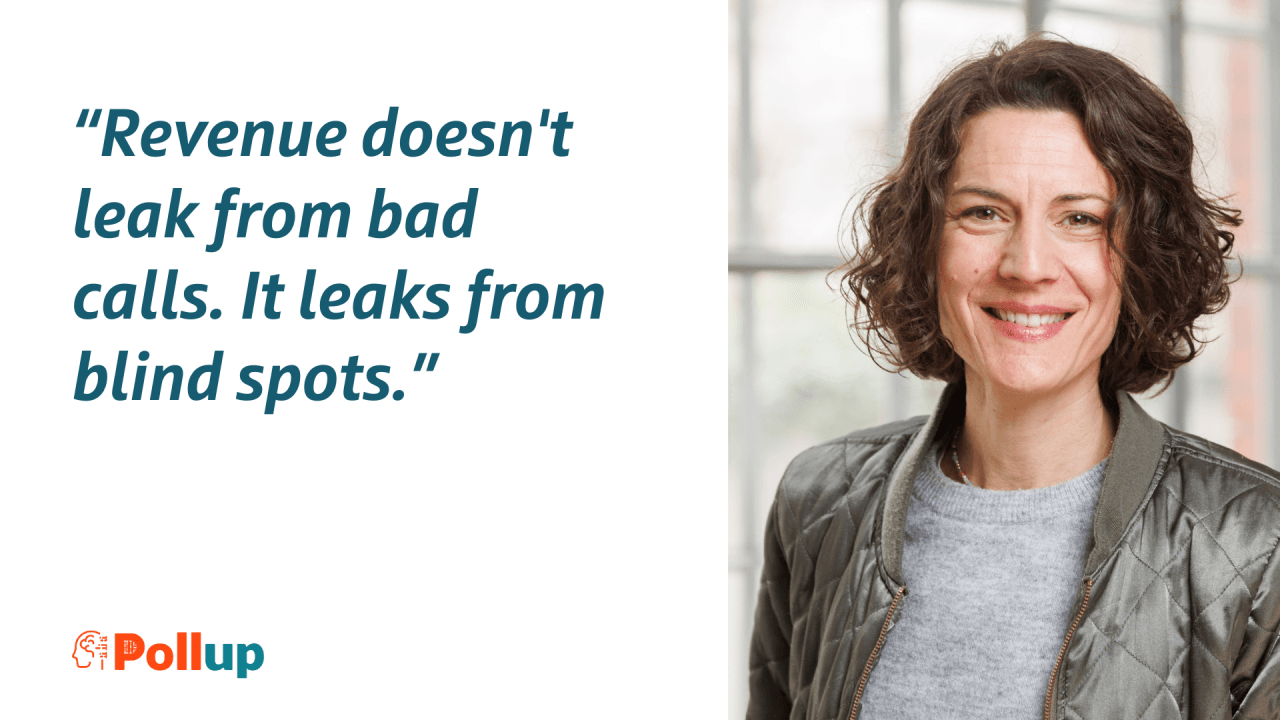
Meeting all the fantastic Customer Success professionals over the past months, one thing became very clear to me: Customer Success has always been an intelligence job. Reading a room. Sensing a relationship cooling before anything shows up in the data. Knowing which exec actually holds the budget and which champion is about to leave. That work runs on human intelligence, much of it emotional intelligence, and none of it has ever lived in a dashboard or automation tool.
That part is not changing with AI. What is changing is that this human intelligence now has a partner: an always-on, data-based system that watches the signals one person cannot. The two kinds of intelligence work together instead of the human carrying all of it alone.
The gap was never insight. It was reach.
The job has become impossible to do by hand. In B2B SaaS, one CSM carrying 50 to 100 accounts is expected to track support tickets, call transcripts, product usage, onboarding progress, and email sentiment across every one of them. The signals all exist. What no human has is the bandwidth to watch all of them, on every account, all the time. So things slip. And the things that slip are usually the ones that cost a renewal.
This is not a judgment problem. CS people are good at judgment. It is a coverage problem. Most CS stacks are built to show you things like dashboards, health scores, reports. They are good at making things visible, but they still leave the hardest part to humans: reading everything, connecting the dots, making a diagnostic and and suggesting what to do before the window closes.
That is why revenue leaks. Not because anyone made a bad call, but because nobody can be in 50 places at once.
What the AI co-worker actually does
Think of it as the teammate that never logs off. It reads every signal across every account, around the clock, and when something matters, it brings a prepared decision: here is the account, here is what changed, here is why it is important, here is the play worth considering, here is an email draft you can review.
It does the reading and suggests next best actions. Humans make the call.
That division is the whole point. The system does not decide who to save or how to handle a relationship you have spent years building. That is your intelligence, and it stays yours.
The system handles the part machines are better at: holding every account and every past outcome in memory at once, and recognizing patterns no person could track by hand. It notices when the same signals that preceded a churned account last year start showing up in a healthy one today, and flags it while there is still time to act. It surfaces where an active account is behaving like an expansion waiting to happen. Risk and revenue potential, spotted early, handed to humans as a clear, account-specific brief.
Two kinds of intelligence, each doing what it does best. Humans stay in the driver's seat. They just stop driving blind.
What this gives Success and Revenue teams
Peace of mind, first. They are no longer relying on someone happening to notice the usage dip or the tone shift in last week's call. The watching is systematic, so nothing critical falls through.
Efficiency, second. The team spends its hours on the work only people can do, the conversations, the strategy, the saves, instead of manually hunting for the signal in the noise.
And last but not least: revenue from the base stops being a scramble and starts being a process. Retention and expansion no longer depend on who looked at what this week, who was ill, distracted, or buried in one escalation. The whole book gets the same always-on attention, people act earlier while there is still time to change the outcome, and revenue stops leaking through accounts nobody had the bandwidth to watch.
Where CS is heading
The question has never been how to better visualize customer health. It is how to build a layer in your stack that reads across everything, prepares the decision, and leaves the call to the human who owns the account. That is how retention and expansion forecasting becomes reliable instead of a number you hope holds.
Building agents without that layer won't get you far.
That's the shift in one line: turning signals into revenue, one AI-powered decision at a time, always with the human in the loop.